How to Test for Low Stomach Acid at Home Safely
Clinical Quality Assurance
Reviewed and fact-checked by Daryl Stubbs, C.H.N.C (Certified Holistic Nutritional Consultant) with 13+ years of clinical experience.
Are you struggling with these common concerns?
Download the Free PDF Guide & Home Tracker Sheet:
Acid Physiology
Why stomach pH matters
Your stomach parietal cells require sodium, zinc, and B vitamins to synthesize hydrochloric acid (HCl).
Normal gastric pH is highly acidic—ranging from 1.5 to 2.2. This acidity triggers pepsin to break down protein and sterilizes your gut against pathogenic bacteria, yeast, and parasites.
Low stomach acid (hypochlorhydria) presents identically to high stomach acid: bloating, belching, reflux, and heaviness.
Home Stomach Acid Self-Testing
Distinguishing between excess and deficient stomach acid is the first step toward correcting chronic indigestion. Under-production of acid (hypochlorhydria) prevents proper protein digestion, leading to downstream fermentation, systemic dysbiosis, and mineral deficiencies. Perform the following tests to assess your digestive capacity safely.
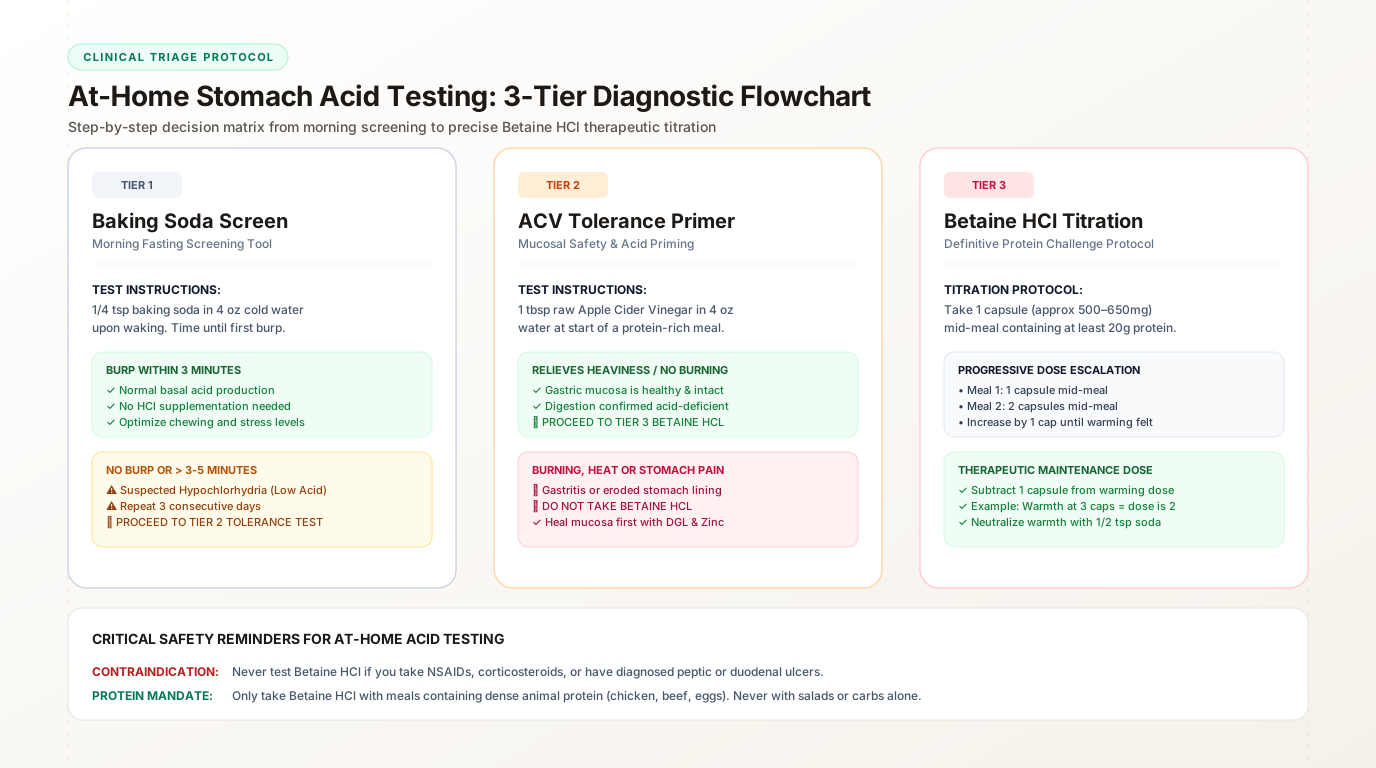
The Baking Soda Test (Bicarbonate Challenge)
This test works by reacting sodium bicarbonate with stomach acid. The chemical reaction creates carbon dioxide gas, which triggers a belch.
Perform first thing in the morning. Stay fasted. Do not drink water beforehand.
Mix 1/4 tsp of baking soda in 4-6 oz of cold water. Drink it quickly.
Interpreting Baking Soda Results
Healthy (0-3 mins): Early belching indicates normal acid levels reacting immediately.
Low Acid (5+ mins): Delayed or absent belch suggests hypochlorhydria.
The Apple Cider Vinegar (ACV) Challenge
By adding supplemental acid during a meal, we can determine if your stomach requires pH support to digest protein.
Prepare a high-protein meal (at least 20g of protein) to stimulate stomach secretions.
Mix 1 tbsp of raw ACV in 2 oz of warm water. Drink it mid-meal.
Interpreting ACV Results
Low Acid: A comfortable, warm sensation, or a significant decrease in bloating.
Sufficient / Inflamed: An immediate burning, acid reflux, or heat sensation.
Clinical Safety Warnings
Strict Contraindications: Do not perform these tests if you suspect or have a history of gastritis, stomach ulcers, esophagus erosion, or if you regularly use NSAIDs (ibuprofen, aspirin) or corticosteroids. If any test causes active burning, discomfort, or heat, neutralize it by drinking 8 oz of warm water immediately.
Restore Your Gastric Secretions: Enzyme Reset
Home tests confirm if your acid is low, but they do not rebuild the underlying mechanism. The Enzyme Reset program (ID: enzyme-reset) is designed to supply targeted nutrients (zinc, B vitamins) and stimulate vagus nerve activity to restore natural HCl production.
Frequently Asked Questions
Answers to critical stomach acid testing questions.
Q:What if I experience burning during the ACV test?
If you feel immediate burning, warmth, or acid reflux, you either have sufficient stomach acid levels, or your stomach lining is highly inflamed (gastritis or early ulceration) and cannot tolerate acid. Discontinue self-testing immediately and focus on repairing your mucosal lining.
Q:Can I use apple cider vinegar pills instead?
No. For the ACV Challenge, raw, unfiltered liquid apple cider vinegar is necessary because the liquid format interacts directly with oral receptors to trigger vagal pathways, and its liquid acidity mimics the natural bolus mixing process.
Q:How many times should I repeat the tests?
For the baking soda test, repeat it for 3 consecutive mornings to establish an average timeline, as hydration status and sleep quality can affect early morning gastric secretions.
Medical Disclaimer: The information provided in this guide is intended for educational purposes only. It is not a substitute for professional medical advice, diagnosis, or treatment. Always consult a qualified healthcare provider or gastroenterologist before initiating home self-testing, especially if you have a history of digestive disorders, stomach pain, or are taking prescription medications.