Baking Soda Stomach Acid Test Burp Time Chart
Clinical Quality Assurance
Reviewed and fact-checked by Daryl Stubbs, C.H.N.C (Certified Holistic Nutritional Consultant) with 13+ years of clinical experience.
Identify Your Digestive Status:
Download the Free PDF Guide & Home Tracker Sheet:
Reaction Science
How the test functions
The Baking Soda Stomach Acid Test relies on a basic acid-base reaction in your stomach. When bicarbonate meets hydrochloric acid (HCl), it rapidly yields carbon dioxide gas.
The time it takes for this gas to build up and trigger an involuntary belch corresponds directly to your basal gastric acid concentration.
Optimal stomach pH (1.5 to 2.2) is critical to denature dietary proteins, activate the enzyme pepsin, and prevent gut pathogens from colonizing.
How to Read the Baking Soda Stomach Acid Test Burp Time Chart
Under-production of gastric secretions (hypochlorhydria) presents with symptoms identical to hyperacidity, including reflux, bloating, and early satiety. Distinguishing between the two is vital. The table below outlines the clinical indications of your timed response.
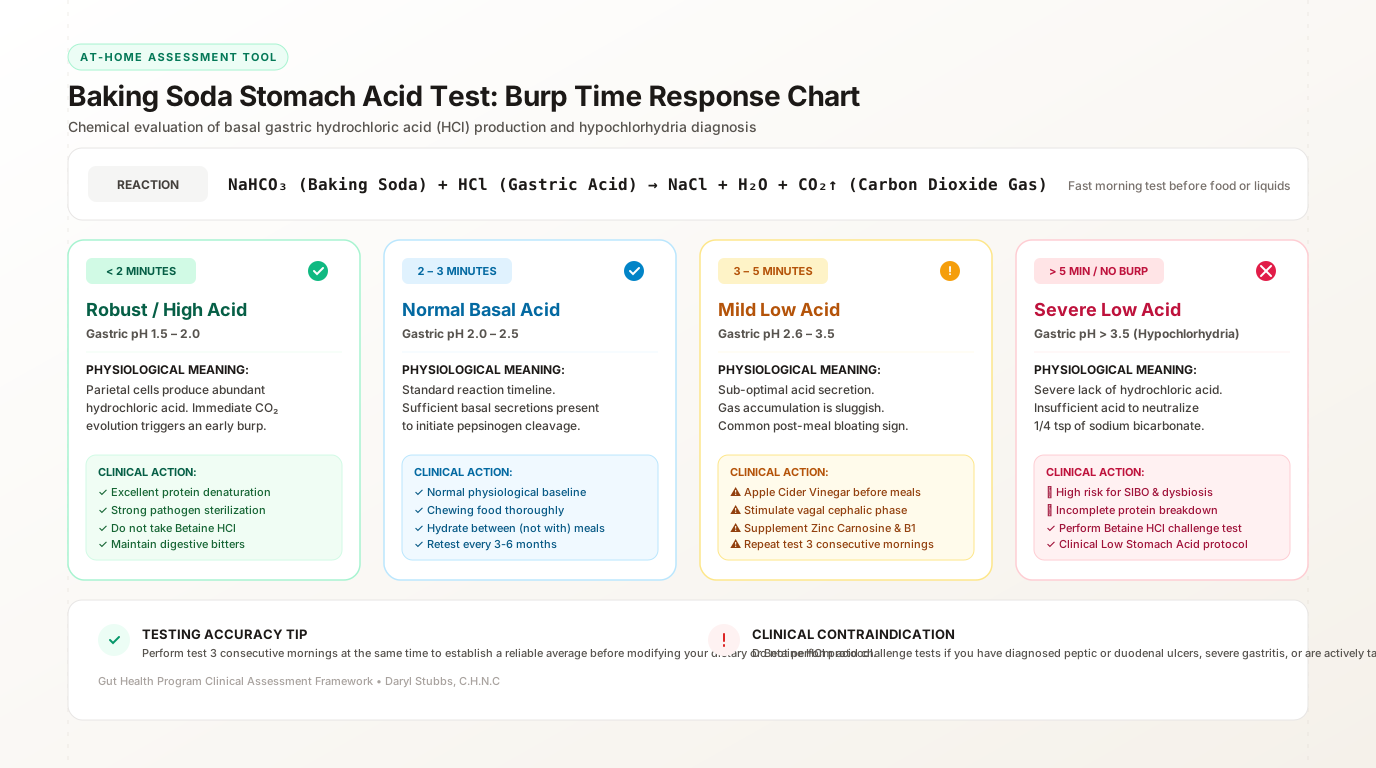
| Burp Time | Acid Status | Clinical Interpretation |
|---|---|---|
| Under 2 minutes | Optimal / High Acid | Strong gastric secretory activity. Normal protein digestion and pathogen sterilization. |
| 2 to 3 minutes | Normal Acid | Standard physiologic reaction time. Sufficient acid levels to initiate nutrient breakdown. |
| 3 to 5 minutes | Early Acid Depletion | Mild hypochlorhydria. Sub-optimal gastric secretion, which may cause post-meal gas and bloating. |
| Over 5 minutes (or no burp) | Severe Acid Depletion | Severe hypochlorhydria. Significant lack of HCl production. Immediate gastric support recommended. |
Step-by-Step Test Protocol
- 1
Fast first thing: Perform the test immediately upon waking. Do not consume water, food, or medication beforehand.
- 2
Mix the solution: Stir 1/4 teaspoon of sodium bicarbonate (baking soda) thoroughly into 4 to 6 ounces of cold water.
- 3
Drink & Start Timer: Drink the solution quickly, start your timer immediately, and record when you experience the first natural belch.
- 4
Repeat & Average: Perform the challenge for 3 consecutive mornings. Averaging these numbers accounts for daily fluctuations in hydration and circadian secretion.
The Biochemical Mechanism
Gastric parietal cells actively pump hydrogen ions (H⁺) into the stomach lumen, maintaining a highly acidic state. When bicarbonate ions from sodium bicarbonate (NaHCO₃) enter this environment, they react with hydrochloric acid (HCl). The result is carbonic acid, which immediately decomposes into water (H₂O) and carbon dioxide (CO₂) gas. If acid concentrations are normal, the high volume of gas created triggers a rapid gastric stretch response, resulting in a belch.
Safety & Contraindications
Do not perform this test if you suffer from active stomach ulcers, severe gastritis, esophageal erosion, or are taking prescription NSAIDs or corticosteroids. If any test causes burning, warmth, or acid reflux, neutralize the reaction immediately by drinking 8 ounces of warm water.
Rebuild Secretory Pathways: Enzyme Reset
While home tests identify stomach acid deficits, they do not resolve the root cause. Rebuilding natural HCl production requires restoring the raw building blocks of gastric acid (zinc, chloride, and B vitamins) and priming vagal tone. The Enzyme Reset program (ID: enzyme-reset) is designed to systematically restimulate your stomach's natural secretions.
Medical Disclaimer: The informational content presented here is intended for educational purposes only and does not substitute for clinical medical advice, professional diagnosis, or gastroenterological evaluation. Always consult your primary care provider or certified practitioner before commencing home diagnostic protocols or supplementation, especially if you have a history of peptic ulcer disease or GI inflammation.