ACV vs Betaine HCl for Low Stomach Acid: Comparison Guide
Stomach acid is critical for digesting protein and keeping pathogens at bay. If you are struggling with low stomach acid, deciding how to restore your levels safely can be confusing.
Key Decisions & Pain Points:
Download the Free PDF Comparison Guide & Titration Log Sheet:
ACV vs Betaine HCl
A clinical breakdown of Apple Cider Vinegar vs Betaine HCl for low stomach acid, including complete titration guidelines.
Reviewed By
Daryl Stubbs, C.H.N.C
Medical Reviewer & Fact-Checker
Reviewed and fact-checked by Daryl Stubbs, C.H.N.C (Certified Holistic Nutritional Consultant) with 13+ years of clinical experience. Recommendations are backed by digestive science and clinical application.
Low stomach acid (hypochlorhydria) is the root cause of chronic bloating, acid reflux, and protein malabsorption. To restore natural pH levels and activate pepsin—the stomach's primary protein-digesting enzyme—practitioners recommend exogenous acidifiers.
The two most common choices are Apple Cider Vinegar (ACV) and Betaine HCl. While both lower gastric pH, their mechanisms, safety thresholds, and clinical applications differ substantially.
ACV vs Betaine HCl: Clinical Comparison
A comprehensive breakdown to help you choose the right acid support for your digestive state.
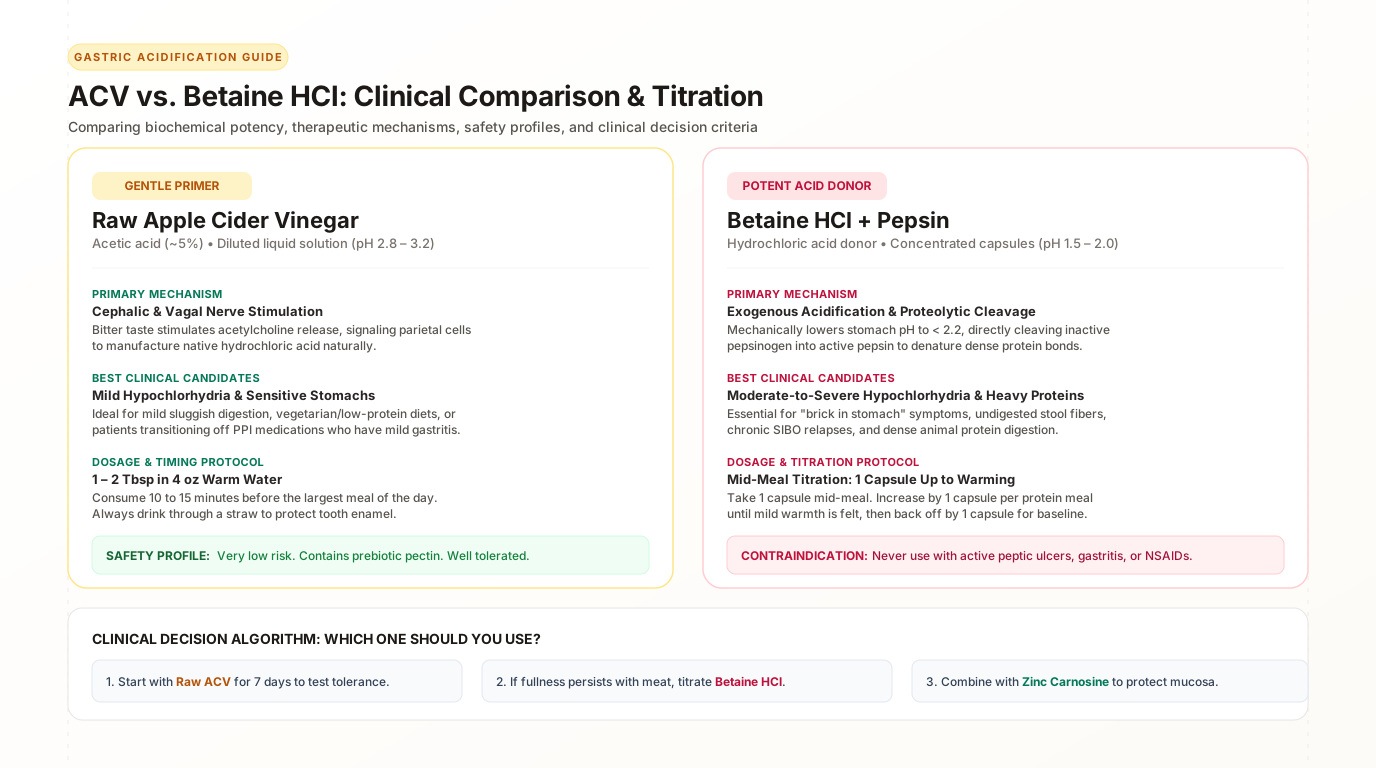
| Clinical Marker | Apple Cider Vinegar (ACV) | Betaine HCl |
|---|---|---|
| Mechanism | Mild acetic acid (pH ~2.5) that stimulates vagal tone and primes native acid production. | Direct hydrochloric acid (pH ~1.5-2.0) with pepsin to lower gastric pH mechanically. |
| Suitability | Ideal for mild hypochlorhydria, mucosal sensitivity, and initial priming phase. | Required for moderate-to-severe hypochlorhydria and dense protein digestion. |
| Safety / Ulcer Risk | Low risk; safe for mild gastritis but can irritate open mucosal lesions. | High risk; strictly contraindicated with active stomach ulcers or gastritis. |
| Dosage Timing | 1-2 tablespoons diluted in warm water, taken 10-15 minutes prior to meal ingestion. | Systematically titrated capsules taken mid-meal during high-protein dinners only. |
| Cost | Extremely cost-effective (pennies per daily dose of organic raw ACV). | Moderate cost (typical capsule supplement bottle ranges from $20 to $40). |
When to Choose Apple Cider Vinegar
ACV is a gentle starter. If you have mild bloating, suspect minor gastritis, or are new to acid support, ACV is the safest choice. Diluting 1-2 tbsp in water before meals primes native gastric secretion.
Tip: Test your baseline first using our interactive ACV Test or the Baking Soda Test.
When to Choose Betaine HCl
Betaine HCl is a clinical-grade acidifier. If you experience heavy fullness hours after eating protein and have confirmed that your stomach lining is healthy (no ulcers), Betaine HCl is required.
Read our comprehensive, practitioner-designed Low Stomach Acid Protocol for full mucosal restoration guidelines.
Betaine HCl Titration Guidelines
Titration ensures you find your precise therapeutic dose without risking stomach lining damage. Follow these safety rules:
- Take mid-meal: Never take Betaine HCl on an empty stomach or with low-protein meals. Take mid-meal during a high-protein dinner containing at least 20g of protein.
- Start small: Take 1 capsule (approx. 500-650mg with Pepsin) at the first meal.
- Monitor response: Watch for a warm sensation or mild heat in your upper abdomen within 45 minutes.
- Escalate safely: If no warmth is felt, take 2 capsules at your next protein meal. Increase by 1 capsule per meal until you feel warmth.
- Subtract one: Your maintenance dose is exactly 1 capsule less than the amount that triggered the warmth.
Resolve Stomach Acid Issues Permanently
The comparison guide helps you start, but restoring natural digestion requires structured mucosal repair and digestive sequencing.
| What's Included | Free Guide | Enzyme Reset Program |
|---|---|---|
| Acid vs Vinegar Comparison Chart | ||
| Phase-by-Phase Supplement Plan | ||
| Daily Gastric Titration Symptom Log | ||
| Vagal & Cephalic Activation Exercises | ||
| Mucosal Lining Repair Protocol |
Professional Medical Disclaimer
The content provided in this guide is for informational and educational purposes only and is not a substitute for professional medical advice, diagnosis, or treatment. Always consult with your physician, gastroenterologist, or other qualified healthcare provider before initiating any supplementation protocol, including Apple Cider Vinegar or Betaine HCl, especially if you have a history of peptic ulcers, gastritis, or are taking medication. Do not disregard professional medical advice or delay seeking it because of something you read in this guide.